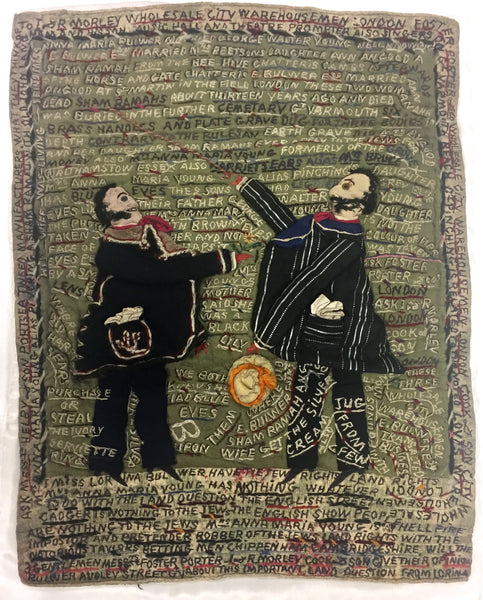
Diving Deep into Embroidery: The Art and History!
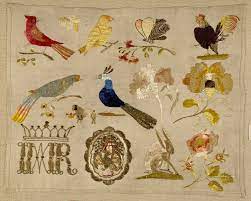
Hey there! I’m Rachel, a dedicated artist with a penchant for knitting and everything yarn! Today, I’m spilling the beans on the art of embroidery, taking you through its fascinating journey and giving you an in-depth view!
Embroidery 101
Wondering what embroidery is? At its core, embroidery is the vibrant craft of adorning fabric using a needle, thread, or yarn. But it doesn’t stop there! Embellishments like beads, sequins, pearls, and even metal strips often find their way into this art form. The beauty of embroidery is its timeless techniques such as blanket stitch, running stitch, and satin stitch – all done with unparalleled precision. Curious about how these stitches work? Dive in here for a tutorial!
Embroidery Through Time
The beginnings of embroidery are shrouded in mystery, with traces of it found from ancient times – think Iron Age, ancient Egypt, and even the Zhou Dynasty in China. No matter where in the world, it seems humans had a knack for embroidery as soon as they could weave fabric. Fun fact: the term embroidery is borrowed from the French word broderie, translating to embellishment!
Europe saw a massive surge in embroidery around the 1000s. Rich folks flaunted their power and wealth with ornate garments, wall hangings, and tablecloths. Ever heard of the Bayeux Tapestry? This famous embroidery work, detailing the Norman conquest of England in 1066, is an absolute marvel. Not to forget, tapestries, a subset of embroidery, saw a rise in popularity around 1800. And by the 1900s, thanks to catalogs and patterns, embroidery became a craft cherished by all!
Embroidery, historically associated with affluence in various cultures from China to Eastern Europe, took a turn with the Industrial Revolution. Thanks to inventors like Josue Heilmann and the onset of machinery, the art underwent mechanization, making it faster and more accessible. And today, computerized patterns and software have revolutionized embroidery, from stunning designs on apparel to intricate details on home linen.
The Many Faces of Embroidery
Did you know there are different types of embroidery? Depending on the design’s relation to the fabric, embroidery can be classified. For instance, Free embroidery is all about freestyle designs, while Counter-thread involves patterns over pre-set fabric threads. Intricate styles like drawn thread work and canvass work have their own charm, with the former involving decorated holes in the fabric and the latter covering the entire fabric mesh with patterns. For beginners, Cross Stitch is your go-to, offering endless creative possibilities!
Essential Embroidery Elements
Embroidery across regions has its unique touch, with materials varying from linen, silk, and wool in traditional patterns to modern-day rayon, cotton, and synthetic yarns. An essential tool? The embroidery hoop, which can be a game-changer!
Choosing the right needle is paramount in embroidery. The needle size should cater to the thread’s size and the fabric count. The thread should effortlessly pass through the needle’s eye and the fabric, maintaining the fabric’s integrity and the thread’s shine.
Embroidery is an inclusive art, inviting everyone, irrespective of age or background. All you need is passion, a needle, thread, and a sprinkle of creativity!
Interesting Embroidery Tidbits
- Beginner’s delight: Try cross stitch if you’re just starting out!
- Ever pondered about knitting’s origin? Dive into its rich history!
- Modern age meets embroidery: Check out these amazing embroidery sewing machines available online!
Quick Embroidery Snapshot
| Topic | Details |
|---|---|
| Definition | Decorating fabric using needle, thread/yarn, and other embellishments. |
| Origins | Traces found in Iron Age, ancient Egypt, Zhou Dynasty, and more. |
| Types | Free embroidery, Counter-thread, Drawn thread work, Canvass work. |
| Materials | Linen, silk, wool, rayon, cotton, and more. |
| Needle Importance | Choose based on thread size and fabric count. |