Unraveling the Mystery of Knitting Gauge!
Hey there, fellow yarn enthusiasts! I’m Rachel, your crafty guide into the world of knitting. As a passionate artist, I’m eager to impart some of the wisdom I’ve gathered about the art of knitting, especially for those just dipping their toes (or fingers) into this cozy hobby!
Decoding Knitting Gauge
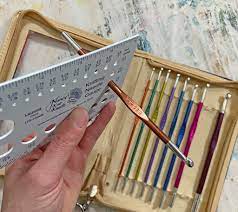
First things first, knitting gauge isn’t just a fancy term—it’s your map to perfecting your projects. Think of it as the rhythm of your stitches, detailing how many fit into an inch. By mastering your knitting gauge, you’re ensuring the size and fit of your creations are just right! Plus, it’s a key ingredient in selecting the perfect yarn and needles for your work.
Gauge in a Glimpse
Traditionally, knitting patterns spell out gauge like so: 10 stitches x 16 rows = 4 inches in stockinette stitch. The typical stitch count varies; an average knitter might land around 6 stitches per inch, while seasoned ones could go up to 10 or more!
Here’s a truth bomb: Simply following a pattern’s yarn and needle suggestions won’t always give you the exact gauge. Why? Because every knitter’s technique is unique! From tight-knitters to those with a looser touch, finding consistent tension is a shared quest. But fear not! A handy trick is to knit a 10 x 10 cm swatch to verify your tension matches the pattern’s.
Gauge’s Impact on Your Creations
The beauty of knitting lies in the details. The number of stitches per inch and your knitting tension directly influence the density, drape, and size of your piece. If something feels off, consider switching needle sizes, experimenting with a different yarn type, or even adjusting how you hold your yarn.
A tip from me: Blocking your finished garment can work wonders. It not only masks minor mistakes but also refines your piece to its intended size and fit. So, always give your piece a good soak, gently wring out excess water, and lay it flat to shape and dry!
What If Your Gauge Doesn’t Match?
Well, mismatched gauges can lead to size discrepancies. Too many stitches? Your piece might end up oversized. Too few? You could end up with something that feels a tad too snug. And if your stitching is uneven? It can alter the overall appearance of your piece. Remember, a mismatched gauge might mean you’ll need more or less yarn than the pattern specifies. Imagine running out mid-project—yikes!
Factors Influencing Your Gauge ⚖️
Your knitting gauge is shaped by a trio: your chosen yarn, knitting needles, and personal tension. Here’s a breakdown:
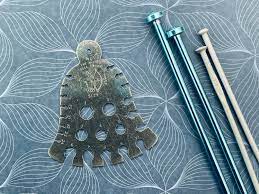
- Knitting Needles: Bigger needles mean bigger stitches, leading to fewer stitches per inch. Conversely, slender needles give more stitches per inch.
- Yarn & Grip: Holding your yarn too tightly or loosely can be a game-changer. It’s all about finding a grip that lets your stitches flow smoothly along your needle!
Ready to Dive Deeper?
Hopefully, this little yarn chat has given you a clearer view of knitting gauge! Remember, knitting is a journey, and every stitch is a step forward. Happy knitting, everyone!
| Details | Quick Tips |
|---|---|
| Knitting Gauge | Number of stitches in one inch. |
| Importance of Gauge | Ensures the right fit & size. |
| Average Stitches | 6 stitches per inch. |
| Seasoned Knitters | Up to 10 stitches per inch. |
| Addressing Tension | Knit a 10×10 cm swatch. |
| Blocking | Improves fit & appearance. |