 Knitting Guru
Advertisement
How to approach it
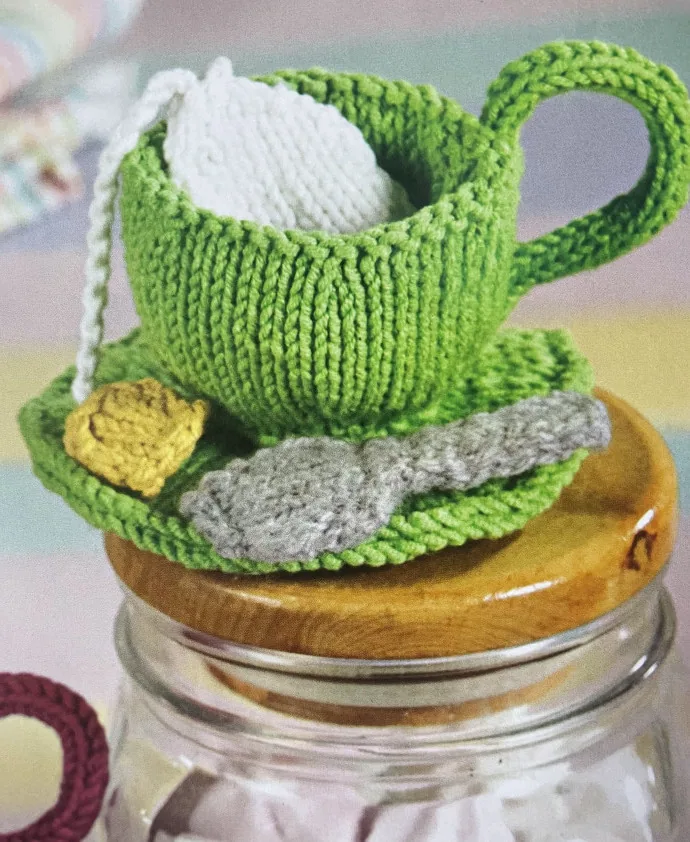
A decorative cup needs a dense gauge and a sturdy base to stand upright. For a usable cover, measure handle clearance and keep the knit fabric below the rim.
Project images
Choosing durable yarn and layout for How to Knit a Decorative Cup or Cup Cover
Home decor and seasonal knits get handled, washed, and displayed more often than delicate garments, so fiber durability and edge stability come first. Dishcloths and coasters call for 100% absorbent cotton yarn that holds up to hot water, while blankets, pillows, and holiday accents work smoothly in soft worsted or bulky wool-acrylic blends that balance warmth with easy care.
| Project type | Recommended fiber | Edge treatment |
|---|---|---|
| Blankets & throws | Washable worsted or chunky wool/acrylic blend | Garter, seed stitch, or applied i-cord border |
| Dishcloths & mats | 100% non-mercerized cotton (#4 worsted) | 3–4 stitch garter border for flat corners |
| Ornaments & appliqués | Smooth DK or worsted scraps | Light steam blocking and secure hanging loop |
Before casting on a large throw or seasonal set, calculate yardage carefully using a washed sample—see How to Knit a Removable Pillow Cover and How to Make Decorative Tile Coasters to avoid running short of yarn halfway through.
Advertisement
Keeping edges flat and managing large projects
For wide blankets and throws, switch to a long circular needle (32 to 40 inches) even when knitting flat; resting the weight of the fabric on the cable in your lap prevents wrist fatigue. Slipping the first stitch of every row creates a neat chained selvedge that looks tidy on its own or makes adding a crochet border effortless.
Weave in color-change ends as you go every few stripes so finishing does not pile up at the end. When you are ready for your next home or gift project, explore How to Knit a Christmas Stocking and How to Knit a Chunky Blanket.
Advertisement
Quick care and sizing questions
How do I keep a knitted blanket square?
Count your stitches every ten rows (or place markers every 25 stitches) to catch accidental yarn-overs early, and steam- or wet-block the finished edges straight.
Can I combine leftover yarns for seasonal motifs?
Yes—just match yarn weights closely (or hold two thinner strands together) so every motif sits at the same thickness and tension.
Related techniques and guides
Continue exploring this topic with these closely related guides:
Video tutorial
Watch the visual walkthrough below to see the hand movements, stitch rhythm, and finishing details in real time.
Have a correction or a question about this guide? Contact Knitting Guru.