
Knitting history is long and interesting that dates back to ancient times. It was first discovered by the Egyptians and then spread to Europe during the Middle Ages. Over time, knitting has become a popular hobby, as well as an important craft for making clothing, blankets and other items. In the 19th century, machine-knitting was invented, which led to a surge in production of knitted goods. Today, knitting is still a popular hobby, with people all around the world taking part in it. As well as being a fun and creative activity, knitting has a deep-rooted history that is still appreciated and celebrated today.
Knitting has been around for centuries and dates back to at least the 11th century. The earliest evidence of knitting was found in Egypt and dates back to the 11th century. The craft has been documented in many other areas of the world, including Europe, the Americas, and Asia. Knitting was used to create garments, such as sweaters, hats, mittens, and socks. It was also used to make blankets, rugs, and other household items.
During the Middle Ages, knitting was seen as a sign of wealth and status, as it was a very specialized skill. By the 19th century, knitting had become a popular hobby, with patterns being printed in newspapers and magazines. Today, knitting continues to be a popular hobby and is used to create a variety of items, from clothing to home decor.

Who Invented It? The Knitting History of the Ancient Craft
The invention of knitting is credited to Arabian shepherds in the Middle East, who were the first to create the craft. Knitting first appeared in Europe around the 1400s, when it began to be used for making clothes and other items. It is believed that the craft of knitting was spread by Spanish and Italian traders, who brought the technique back to their respective countries. Knitting quickly spread throughout Europe, and it soon became a popular craft in the British Isles.
By the 1600s, knitting was so popular that it was considered an essential skill for any woman. By the 1700s, the craft of knitting had become so widespread that the first knitting machines were developed. Although knitting machines have made knitting easier, the craft is still popular today, with many people still continuing to knit by hand.
A Brief History of Knitting: Where Did It All Begin?
Knitting has been around for centuries, though the exact origin of the craft is unknown. The earliest known pieces of knitting were discovered in Egypt, dating back to the 11th century. By the 16th century, knitting had spread through Europe, eventually making its way to the Americas in the 17th century.
By the 18th century, knitting had become a popular craft and a way to make money. In England, knitters developed the stocking frame, which allowed them to produce items quickly and with uniformity. This technique made it easier for people to buy knitwear, which became a popular form of clothing.
In the 19th century, knitting began to be used to create garments of all kinds, including hats, sweaters, and shawls. With the invention of the knitting machine in the 1920s, knitting became even more popular, and it is now a popular activity around the world.
The Different Types of Knitting Explained
The art of knitting, as we understand it today, traces its roots back to the Middle Ages, but its origins can be traced even further into the past. Remarkably, evidence of knitted items dating back to the 11th century BC has been discovered, indicating that knitting has an ancient heritage.
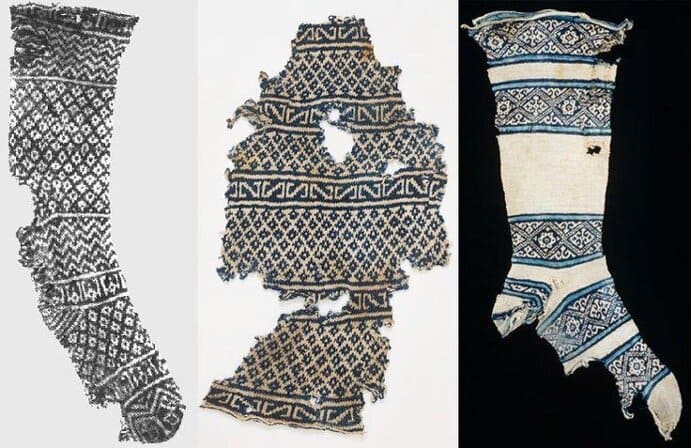
The earliest known knitted item on record is a pair of socks discovered in Egypt, believed to have been crafted around the 11th century BC. These socks were unique in that they were made from a single piece of fabric, rather than being separately knit and then sewn together, showcasing the early ingenuity of knitting techniques.
Knitting emerged simultaneously in Egypt, Europe, and the Middle East during this era, with Europe witnessing the appearance of knitted garments as early as the 8th century AD. These garments, typically fashioned from wool, encompassed various items such as hats, mittens, and stockings.
The invention of knitting machines in the 16th century revolutionized the craft, allowing for mass production of knitted goods. This advancement enabled the creation of more intricate knitted garments and accessories, such as sweaters and gloves, paving the way for the diversification of knitting techniques and designs.
Even today, knitting continues to be cherished as a beloved craft, employed to create a wide array of items ranging from clothing to home decor and blankets. The process of knitting has evolved and grown more sophisticated over time, with the development of innovative techniques and tools that continue to inspire knitters around the world.
Final words
Knitting has a long and fascinating history, with techniques and trends changing over time. From its origins as a cottage industry to its current status as a popular hobby, the history of knitting is a testament to the creativity and ingenuity of both past and present generations.
Knitting has been around since the Middle Ages, when it was used to create garments and accessories for warmth and protection. The earliest knitted items were made from wool, but other fibers such as cotton, linen and silk were also used. Over the years, knitting has evolved to become a popular hobby and a source of creative expression. Today, knitters create everything from clothing to home decor items, using a variety of techniques and materials. Knitting has become a symbol of comfort and self-care, as well as a powerful tool for social justice and activism.