 Knitting Guru
Advertisement
Pattern downloads
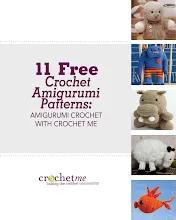
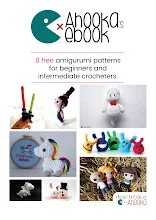
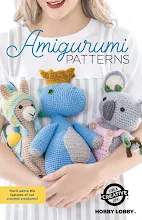
What to check before casting on
For crochet, a small hook can create dense stitches. For knitting, choose a needle that prevents stuffing from showing. Count pieces before assembly and embroider features for toys for small children.
Open each PDF to see the designer’s materials, finished measurements and instructions. Check the source file for terms and corrections before beginning.
Advertisement
Yarn, needle size, and stuffing guidelines for Amigurumi Patterns
Unlike garments where drape is the priority, soft toys and knitted animals need a firm, dense fabric so polyester fiberfill never peeks through once stuffed. Drop down one to two needle sizes smaller than the yarn ball band recommends—for example, pairing worsted-weight yarn with US 5 (3.75 mm) or US 6 (4 mm) needles.
| Component | Best choice | Practical tip |
|---|---|---|
| Yarn fiber | Smooth wool blend, cotton, or soft acrylic | Avoid loosely spun roving yarns that pill or stretch under stuffing pressure. |
| Stuffing | Washable polyester fiberfill in small tufts | Insert small pinches gradually and shape corners with a blunt chopstick. |
| Facial details | Embroidered eyes for babies; safety eyes for ages 3+ | Secure washers firmly before closing the head seam. |
If you are planning multiple handmade gifts or comparing construction styles, check Crochet Animal Patterns and review Knitted Animal Patterns for Different Skill Levels to keep your stitch tension uniform across small limbs and rounded heads.
Advertisement
Shaping, seaming, and child-safe finishing
Clean assembly is what gives handmade toys personality and durability. Leave generous yarn tails (at least 10 to 12 inches) at cast-on and bind-off edges so you can seam each piece with matching yarn without introducing extra knots. Pin ears, arms, and snouts in place with locking stitch markers and view the toy from every angle before sewing permanently.
- Use mattress stitch for flat pieces: Joining row-for-row keeps seams nearly invisible and prevents lumpy ridges along the body.
- Stuff as you close: Fill limbs lightly near the joints so arms and legs sit naturally instead of sticking straight out.
- Build your toy-making toolkit: Pair this guide with Choosing a Cow Knitting Pattern and Free Elephant Knitting Pattern Guide for more shaping ideas and complementary patterns.
Frequently asked questions
Can I resize a knitted toy by changing yarn weight?
Yes. Working the exact same stitch counts in DK yarn produces a smaller pocket-sized toy, while chunky yarn with proportionally smaller needles creates a larger plush version.
How do I wash a finished knitted animal?
Spot-clean delicate wool toys with cool water and mild soap, or machine-wash acrylic and cotton toys inside a mesh laundry bag on a gentle cycle and air-dry flat.
Related techniques and guides
Continue exploring this topic with these closely related guides:
Have a correction or a question about this guide? Contact Knitting Guru.